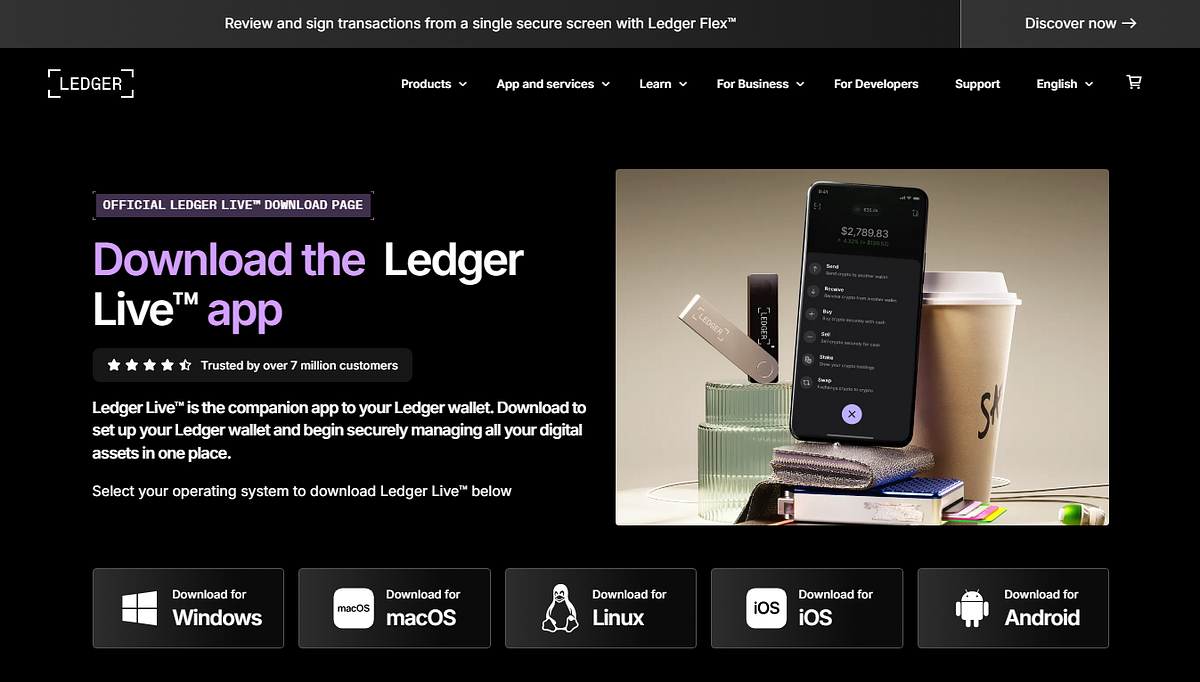
Ledger Login: A Complete Guide to Secure Access and Setup
Introduction
In the digital age, securing cryptocurrencies is one of the most important responsibilities for investors and traders. With millions of dollars lost to hacking, phishing, and scams every year, a reliable and safe way to store crypto assets has become essential. This is where Ledger steps in — a hardware wallet designed to provide offline, tamper-proof security for your digital assets.
When people talk about a “Ledger login,” they usually refer to the process of accessing their Ledger hardware wallet and managing their cryptocurrencies safely through Ledger Live, the official companion app. Unlike typical online accounts, the Ledger login process is unique because it doesn’t rely on a username and password. Instead, it uses your hardware device and a PIN to ensure total control and privacy over your crypto holdings.
This guide will take you through everything you need to know about Ledger login — from setup and access to security tips and troubleshooting.
1. Understanding What Ledger Login Means
The term “Ledger login” can be a bit misleading, as it does not involve a standard username and password like most websites or apps. Instead, logging in to your Ledger wallet means securely unlocking your hardware device and connecting it to Ledger Live.
Ledger’s system is designed around the principle of “cold storage.” This means your private keys — the cryptographic keys that control your cryptocurrency — are stored entirely offline within the Ledger device. They never leave it, even when you connect to your computer or smartphone. This is why Ledger wallets are among the safest ways to store cryptocurrency.
So, when you perform a Ledger login, you are essentially:
Unlocking your device using your unique PIN.
Connecting the device to your Ledger Live app.
Verifying any actions directly on the physical device.
This method ensures that no one can access or transfer your crypto without your physical device and your PIN code.
2. Setting Up Your Ledger for the First Time
Before you can log in to Ledger, you need to set up your device properly. Follow these steps to ensure your hardware wallet is initialized correctly and securely:
Unbox your Ledger Device
Inside the box, you will find your Ledger hardware wallet (Nano S Plus or Nano X), a USB cable, and a recovery sheet.Turn On the Device
Connect your Ledger to your computer using the provided cable. The device will power up automatically and guide you through the setup.Create a New Wallet or Restore an Existing One
If this is your first time, choose Set up as a new device.
If you already have a wallet, select Restore from recovery phrase and enter your 24-word phrase.
Choose a PIN Code
Create a 4- to 8-digit PIN code. This will be required every time you log in. Be sure to memorize it or store it securely.Write Down Your 24-Word Recovery Phrase
The device will display a 24-word seed phrase. This is the most critical backup of your wallet. Write it down carefully in the correct order and never store it digitally.
Once setup is complete, your Ledger is ready to use. You can now install Ledger Live on your computer or smartphone to manage your crypto portfolio.
3. How to Perform a Ledger Login
Logging in to your Ledger wallet involves connecting your device to Ledger Live. Here’s how to do it step by step:
Open Ledger Live
Launch the Ledger Live app on your computer or phone.Connect Your Ledger Device
Plug your device into your computer using the USB cable or pair via Bluetooth if you have the Ledger Nano X.Enter Your PIN Code
The device will ask for your PIN. Enter it carefully using the buttons on the device.Unlock and Access Your Accounts
Once unlocked, your device connects securely with Ledger Live. You’ll be able to see your crypto portfolio, add accounts, check balances, and send or receive cryptocurrencies.Approve Transactions on Device
Whenever you send crypto, Ledger Live will ask for confirmation on the hardware wallet screen. This physical verification ensures only you can authorize transactions.
4. Why Ledger’s Login System is So Secure
Unlike cloud-based wallets or online exchanges, Ledger’s login system doesn’t rely on internet credentials. This gives it several strong security advantages:
Offline Private Keys: Your keys never leave the hardware device, protecting you from online hacks.
Two-Factor Authentication by Design: Access requires both the physical device and the PIN code.
Manual Transaction Confirmation: Every transaction must be verified on the physical screen, blocking remote tampering.
Phishing Resistance: Since there’s no online username or password, phishing attacks are largely ineffective.
Encrypted Communication: Ledger Live communicates securely with the device, ensuring no third party can intercept your data.
These factors make Ledger’s login system one of the safest in the crypto industry, trusted by millions of users worldwide.
5. Common Ledger Login Issues and Solutions
Even though Ledger is designed for simplicity, some users encounter problems while logging in. Here are common issues and how to fix them:
a. Device Not Detected
Try using a different USB cable or USB port.
Restart both your computer and the Ledger device.
Make sure Ledger Live is up to date.
Disable other apps that might interfere with the USB connection.
b. Incorrect PIN
If you enter the wrong PIN three times, the device will reset itself to protect your funds. You can restore your wallet using your 24-word recovery phrase. Always keep this phrase in a safe, offline location.
c. Bluetooth Pairing Problems (Nano X)
Turn Bluetooth off and back on.
Ensure your phone’s OS and Ledger Live app are updated.
If the problem persists, forget the device from your Bluetooth settings and re-pair it.
d. “Genuine Check Failed”
If the device fails the authenticity check, don’t proceed. Contact Ledger support and verify that your device is genuine.
6. Tips for a Smooth Ledger Login Experience
To make your Ledger experience secure and convenient, follow these best practices:
Always Use the Official App:
Only use the Ledger Live application downloaded from Ledger’s official website.Update Firmware Regularly:
Keeping your device updated ensures compatibility and the latest security improvements.Protect Your PIN:
Do not share or write your PIN in easily accessible places.Avoid Public Devices:
Never connect your Ledger to computers in public places or use untrusted USB cables.Use Genuine Accessories:
Always use the cable provided or certified replacements to avoid data issues.Lock Ledger Live When Inactive:
Ledger Live allows you to lock the app with a password. Enable this option to prevent unauthorized access.
7. Restoring Access If You Lose Your Device
Losing your Ledger device doesn’t mean losing your crypto. Because your assets are stored on the blockchain, not the device itself, you can recover them anytime using your 24-word recovery phrase.
To restore access:
Get a new Ledger device.
Choose Restore from recovery phrase during setup.
Enter your 24-word seed phrase carefully on the device.
Create a new PIN code.
Connect to Ledger Live, and your wallet will be restored.
Your funds will reappear exactly as before, proving that your recovery phrase is the ultimate backup for your Ledger login.
8. Security Mistakes to Avoid
While Ledger offers top-tier protection, user mistakes can still lead to losses. Here are critical errors to avoid:
Never share your 24-word recovery phrase with anyone. No legitimate support or service will ever ask for it.
Do not type your recovery phrase into a computer, phone, or website. Only enter it on the hardware device itself.
Avoid fake Ledger websites or cloned apps. Scammers create look-alike pages to trick users.
Do not store your recovery phrase digitally (in photos, files, or cloud storage). Write it on paper or use a metal backup.
Be cautious with firmware updates — always verify updates come from official Ledger sources.
By avoiding these mistakes, you’ll ensure that your Ledger login and all associated actions remain secure.
9. Final Thoughts: Why Ledger Login Is the Future of Crypto Security
The Ledger login system represents the perfect balance between accessibility and security. It eliminates the weaknesses of online passwords while empowering users with full control of their crypto assets.
Unlike traditional online logins, which rely on centralized databases, Ledger’s login process is decentralized and device-dependent, ensuring your private keys never touch the internet. It’s this design that makes Ledger hardware wallets one of the most trusted and widely used tools for digital asset protection.
To summarize, Ledger login means:
Physically unlocking your hardware wallet.
Connecting securely to Ledger Live.
Approving transactions directly on your device.
As the cryptocurrency landscape continues to evolve, protecting your assets must remain a top priority. Whether you’re a new investor or an experienced trader, learning how to use your Ledger wallet properly is the best investment you can make in your own security.